
Staying connected to your supporters is one of the most important things you can do as a missionary. And it’s not just about funding; it’s about keeping people praying for you specifically.
In this guide, I’ll walk you through exactly how to send missionary prayer updates, what to include, how often to send them, and which tools actually make it easy.
Why Prayer Updates Matter More Than You Think
Most missionaries know they should send updates. But a lot of them don’t do it consistently, and that’s where things start to fall apart.
Here’s the thing: supporters who hear from you regularly stay engaged. They pray for you by name, for specific situations. And people say that engaged supporters are also far more likely to keep giving financially. Research from Prayvine found that 68% of ministry partners report being more likely to donate when they’re actively engaged.
When missionaries go quiet, supporters slowly drift. It’s not that they stop caring, life just moves on.
I’ve worked with missionaries long enough to see this pattern repeat. The ones who send consistent updates tend to stay funded. The ones who don’t, struggle.
What to Include in a Prayer Update
There’s no perfect formula, but a good prayer update usually covers these things:
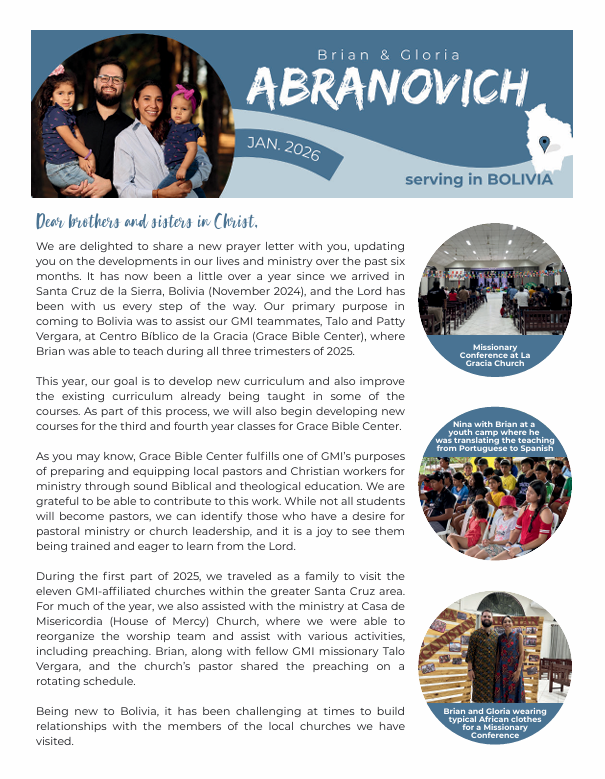
What’s happening in your ministry. A short story or moment from the field works better than a general summary. Something real and specific.
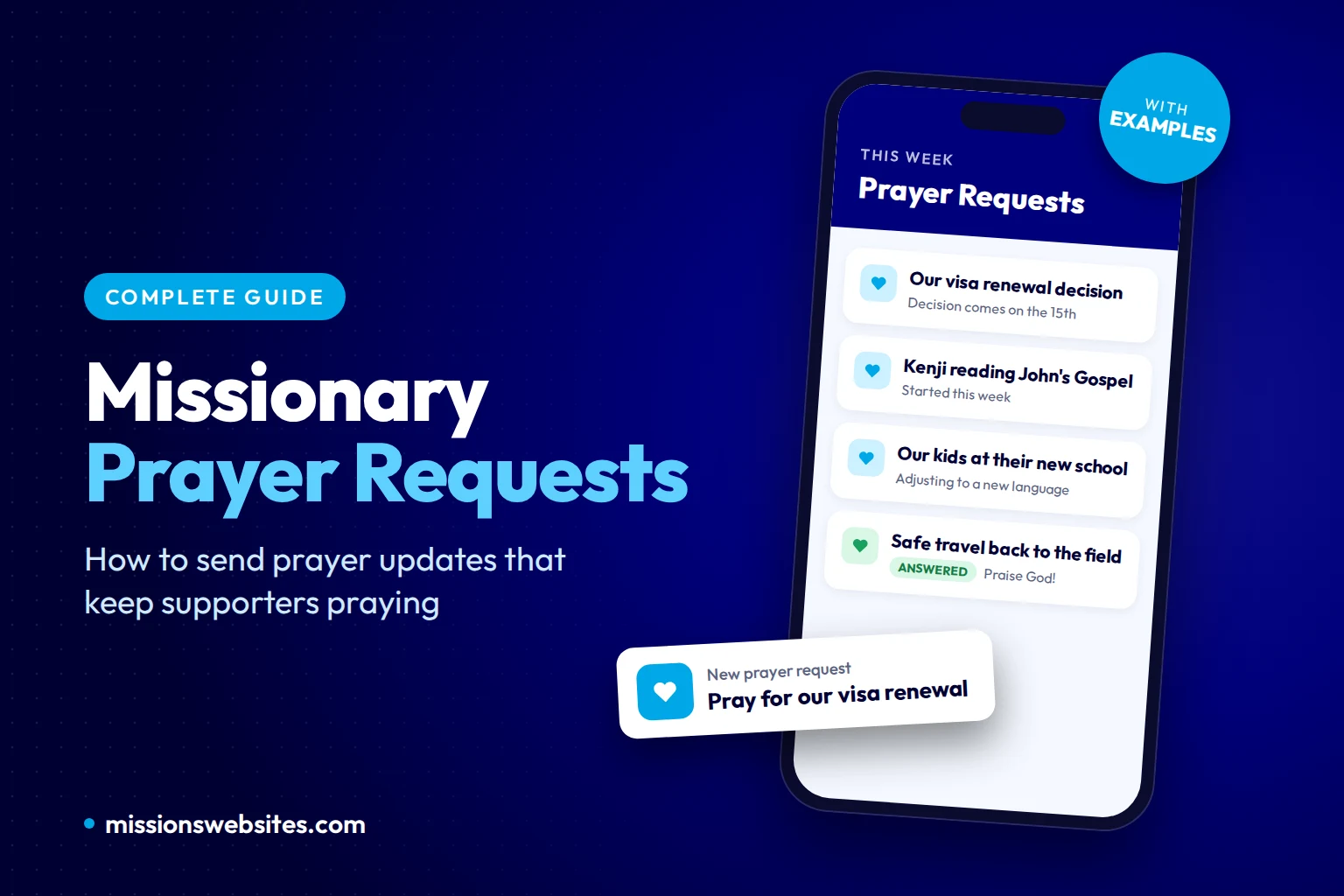
Specific prayer requests. Vague requests like “pray for our ministry” don’t give people much to hold onto. “Pray for our visa renewal, the decision comes next week” is something people can actually pray.
Praise reports. Share what God has done since your last update. It encourages your supporters and reminds them their prayers are working.
A photo or two. Some missionaries choose to include photos, and it helps supporters feel more connected to what’s actually happening on the ground.
Keep it short. One page or less for a written update. A few paragraphs for an email. People are busy, and a shorter update gets read more often than a long one.
How Often Should You Send Updates?
Monthly is the sweet spot for most missionaries. Sending a prayer letter every month keeps your churches and supporters warm, and with today’s technology it’s much easier than it used to be.
Some missionaries send quarterly, which is fine as a minimum. But monthly keeps you top of mind and gives supporters more to pray about.
The risk of going longer than that? People forget about you. Not because they don’t care, but because life gets full. Regular updates are how you stay in the conversation.
The Easiest Way to Send Prayer Updates: A Website That Does It For You
If you want the simplest, most professional setup, this is it.
Here at MissionsWebsites, we build your entire ministry website for you and connect it to your supporter email list. So every time you post an update on your site, it automatically goes out as a polished email to everyone on your list. It also posts to your social media at the same time.
You don’t touch a single line of code. We handle the design, build, hosting, security, backups, domain setup, and launch, and your site is typically live within 15 to 30 days.
Here’s why that matters: most missionaries are juggling language learning, ministry work, relationships, and support raising all at once. Having to also figure out a website, an email platform, and social media posting is a lot. We collapse all of that into one simple workflow. You write one update, and the system handles the rest.
Your website dashboard also shows you who opened your emails, how many views your site is getting, and how your supporter list is growing over time. That kind of visibility helps you know what’s working.
And there’s a credibility factor, too. A professional website makes a real difference when you’re presenting yourself to a mission board, a new church, or a potential supporter. It shows you’re serious and organized.
Our sites are designed to look modern and trustworthy, the kind of website that makes supporters feel confident about partnering with you. And you can customize everything, colors, pages, content, whenever you want.
Want to see what you’d get before committing? We offer a sample website first so you can approve the design before anything goes live. Visit our homepage to learn more.
Other Options for Sending Prayer Updates
Our service is the most complete option, but here’s how the other tools compare so you can make an informed decision.
Physical / Printed Prayer Letters
Printed letters still carry weight, especially with older supporters and churches who like to post them on a bulletin board. Services like prayerletters.com handle all the printing, folding, stuffing, and mailing, so you just send them your content and mailing list.
The downside is cost and time. Each mailing costs money, and it’s slower. Most missionaries use printed letters as a supplement, not their main method.
Plain Email (Gmail or Outlook)
Free and familiar. A lot of missionaries start here. But there are real limitations: no tracking, no way to see who opened it, and a long BCC list looks unprofessional. It also doesn’t scale well as your list grows.
It works fine when you’re just starting out and have a small list. But most missionaries outgrow it quickly.
Email Marketing Tools (Mailchimp, MailerLite)
These are solid tools with good tracking, decent templates, and free tiers for smaller lists. Tools like MailerLite let you copy a previous letter and update it, which saves time when you’re sending regularly.
The catch is that they’re general marketing tools, not built for missionaries. You’ll still need to set up your own website separately, manage your list manually, and figure out how to connect it all. There’s a learning curve, and it takes time to set up properly.
Prayvine
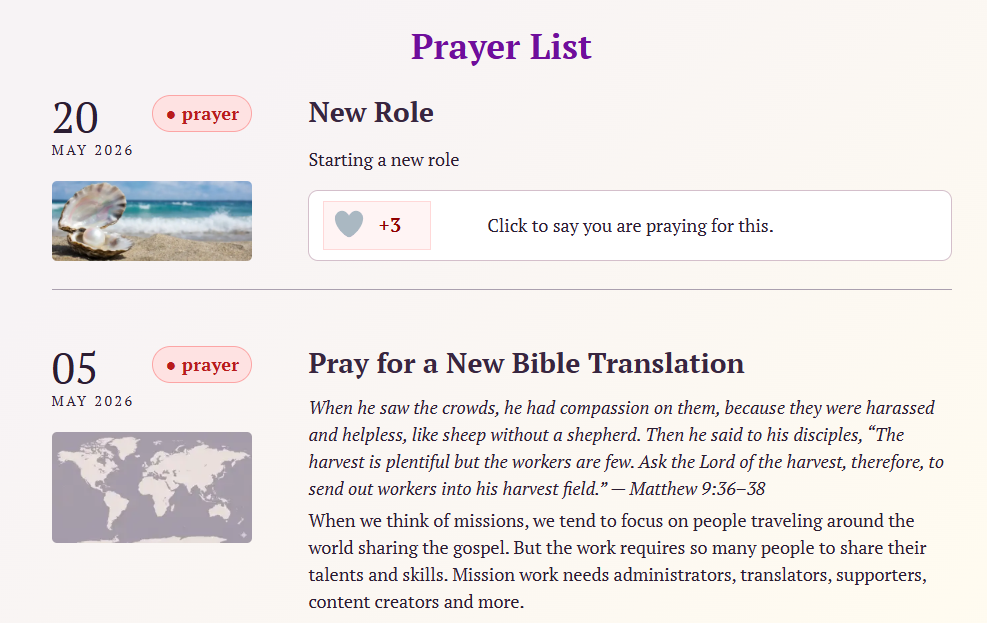
Prayvine is a free, secure prayer request platform built specifically for missionaries. It organizes prayer support into private prayer circles where missionaries can share real-time prayer requests and updates, and supporters receive notifications and can respond instantly.
It’s genuinely useful for quick, frequent prayer requests. It helps missionaries send engaging updates that are less likely to get lost in cluttered inboxes and social media feeds.
But it’s not a full website. It doesn’t give you a professional ministry presence, and it’s not connected to a broader email list or social media. Think of it more as a prayer communication tool than an all-in-one platform. You can use it alongside a website, and many missionaries do.
Which Option Is Right for You?
Here’s a simple way to think about it:
Just starting out with a small list and a tight budget? Plain email or Prayvine can get you going for free.
Want more professionalism and tracking but okay doing the setup yourself? An email tool like MailerLite plus a separate website could work.
Want everything handled for you, one post that goes everywhere, and a professional site that builds supporter confidence? That’s exactly what we do here at MissionsWebsites. See how it works on our homepage.
Tips for Writing Prayer Updates People Actually Read
Even with the best tool, a poorly written update won’t get read. A few things that help:
Write a good subject line. Short and specific beats generic every time. “Visa approved, here’s what happened” gets opened. “October Newsletter” does not.
Tell one story. Pick one thing that happened and tell it well. Trying to summarize everything leads to updates that feel like a report.
Make your prayer requests specific. Give people something real to pray. A deadline, a name, a situation. Specific prayer for specific needs matters far more than general requests.
End with a clear ask. Whether it’s prayer, sharing, or giving, tell people what you need. Don’t assume they’ll figure it out.
And write like yourself. Your supporters want to hear from you. They don’t want to receive a perfectly crafted letter that sounds like it was written by someone else.
FAQ
How long should a missionary prayer update be?
Short is better. For email updates, a few paragraphs is plenty. For printed letters, aim to fit everything on one page. People are more likely to read something short than something long.
How do I grow my supporter email list?
Start with everyone you know: family, friends, church members, people from your sending church. Ask people in person if they’d like to receive updates. A sign-up form on your website helps a lot too. That’s something we set up for you automatically at MissionsWebsites.
Is Prayvine free?
Yes, Prayvine is completely free for missionaries. It’s a nonprofit platform funded entirely by donors. It’s a solid tool for prayer-specific communication, though it works best alongside a full website rather than as a replacement for one. Prayvine
What makes MissionsWebsites different from just using Mailchimp?
Mailchimp is an email tool. You still need to build a website, connect the two, and manage everything separately. Here at MissionsWebsites, your website and email system are already connected. You post once, and updates go to your email list and social media automatically. It’s built specifically for missionaries, not general businesses. Learn more on our homepage.
How do I get started with MissionsWebsites?
Visit our homepage and request a sample website first. You’ll see exactly what your site will look like before committing to anything. From there, we handle the build, and you’re typically live within 15 to 30 days.